How to Prepare Your Small Business for Digital Invoicing Standards
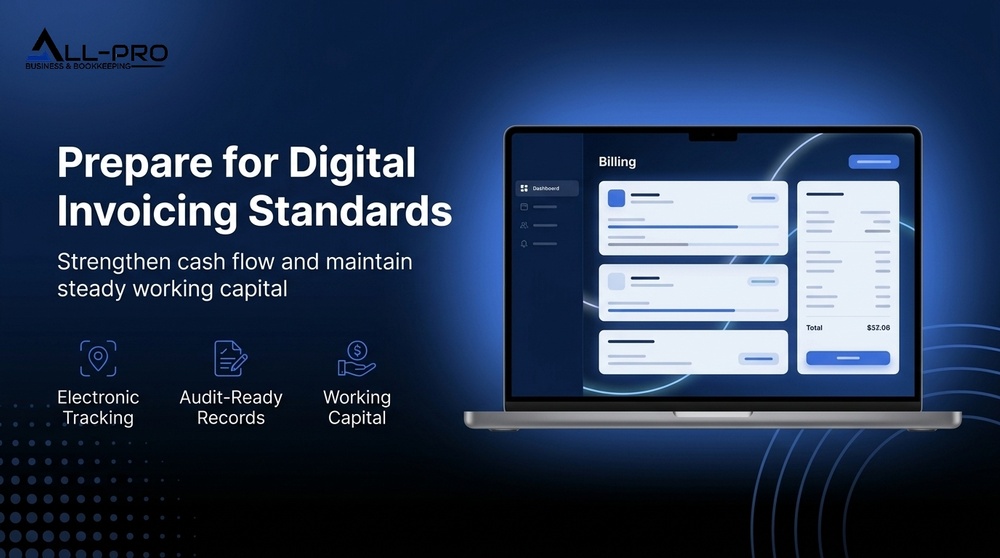
Managing commercial transactions manually places an unnecessary strain on your accounting pipeline. When your staff relies on paper invoices, static spreadsheets, or fragmented email threads, processing delays quickly compound into broader operational bottlenecks. Minor typographic mistakes cause substantial reconciliation disputes, leading to delayed settlements and friction with key accounts. Adopting structured electronic billing formats eliminates these systemic friction points by creating a synchronized, auditable accounting environment.
As regulatory frameworks and commercial networks modernize, meeting digital invoicing standards has shifted from a convenience into an operational requirement. Establishing strict protocol compliance guarantees that your outbound billings match international data schemas, tax reporting structures, and automated clearance expectations. Without standardized billing architecture, your business risks administrative penalties, extended collection cycles, and potential exclusion from procurement networks that require automated interchange formats.
Achieving this level of operational discipline demands an intentional approach to your internal documentation workflows. Transitioning your core systems positions your business to maintain compliance, protect working capital, and build resilient relationships with trading partners across Canada and beyond. By treating this structural modernization as a core component of your broader financial strategy, you protect your enterprise against regulatory disruptions while building long-term operational efficiency.
Understanding Digital Invoicing Standards and Data Compliance
Meeting established digital invoicing standards requires moving beyond simple electronic documents like standard portable document format files. A static graphic or document file requires human interpretation, manual data entry, and manual verification, leaving ample room for clerical errors. True digital frameworks rely on structured, machine-readable data sets such as Universal Business Language or XML schemas. These open formats allow disparate enterprise resource systems to ingest, interpret, and process commercial billing records without manual input.
Modern electronic invoicing ecosystems operate through distributed network models, most notably frameworks like Peppol. In these architectures, your accounting platform communicates through certified access points that validate document formats before secure transmission to the recipient. This architecture guarantees data authenticity, structural accuracy, and immediate validation across jurisdictional borders. Understanding these structural distinctions ensures your business invests in systems that maintain technical longevity rather than surface-level digitizations.
Tax authorities across multiple jurisdictions increasingly mandate structured formats to automate audit trails, verify sales tax assessments, and prevent fraudulent reporting. When you configure your systems to align with these data rules, your transaction records map directly to required reporting fields. This programmatic alignment reduces administrative friction, simplifies corporate reviews, and eliminates the frantic scramble often associated with fiscal period closes and regulatory inspections.
Standardization also extends to metadata precision, covering specific tax identification entries, synchronized line-item descriptions, and precise currency codes. When every outbound invoice adheres to rigid semantic rules, payment gateways and enterprise accounts payable software parse line items without friction. As a result, your organization eliminates manual invoice ingestion delays, securing a clean foundation for compliant commercial operations.
Optimizing Electronic Invoice Tracking for Revenue Predictability
Implementing structured electronic invoice tracking provides complete operational visibility over your outstanding receivables. In traditional billing workflows, once an invoice leaves your desk, tracking its progress through the client's internal approval chain becomes virtually impossible. Automated billing networks introduce bidirectional status notifications, giving you immediate clarity on delivery, ingestion, departmental approval, and scheduled disbursement dates.
This level of direct visibility transforms your collections strategy from reactive follow-ups to structured, professional account management. You can review and resolve discrepancies long before payment due dates arrive. Consider the strategic advantages of deploying systematic transaction tracking across your receivables portfolio:
- Immediate receipt verification that confirms your billing file passed customer firewall security filters and access point checks without corruption.
- Automated status flags highlighting customer account holds, missing reference identifiers, or purchase order mismatches within minutes of distribution.
- Real-time status updates reflecting whether an invoice is pending approval, verified for settlement, or scheduled for direct bank release.
- Centralized audit logs that record all interaction history, date stamps, and message acknowledgments for precise reconciliation.
By monitoring these data signals continuously, your accounting staff avoids chasing outdated receivables or duplicating billing statements. Instead, your team targets unresolved exceptions before they stall your receivables pipeline. This structured oversight improves client interactions, as conversations shift from disputing delivery timelines to resolving clear operational details.
Ultimately, comprehensive tracking tools turn your accounts receivable registry into a reliable source of business intelligence. You gain precise performance metrics regarding the settlement habits of specific commercial accounts, industry verticals, and sales categories. With clear data illustrating historical turnaround times, your leadership team can structure commercial credit terms based on demonstrable payment records rather than assumptions.
Protecting Business Cash Flow Management Through Rapid Settlements
Sound business cash flow management depends directly on the speed and reliability of your revenue conversion cycle. When you rely on postal delivery or unstructured electronic mail attachments, your days sales outstanding metric climbs steadily. Processing delays, lost paperwork, and multi-tier approval chains keep capital locked in unpaid receivables, limiting your capacity to fund operational expenses, meet payroll deadlines, or seize time-sensitive trade discounts.
Digital billing removes these administrative delays by delivering validated invoices directly into the customer's enterprise software. Because the file formats match exact technical parameters, buyer systems automatically verify purchase order details, receipt of goods, and pricing matrices without human data entry. This direct validation enables immediate invoice scheduling, drastically shortening the timeline between project completion and cash deposit.
The direct impact on working capital is profound, especially for growing businesses that require consistent operational liquidity. By accelerating the receipt of funds, your business reduces its reliance on short-term credit facilities, bank overdrafts, or expensive receivables factoring arrangements. Maintaining cash reserves internally protects your profit margins and strengthens your balance sheet during unexpected market fluctuations.
Predictable collections cycles also give you the clarity needed to optimize outbound liabilities. When you know precisely when customer receipts will settle, you can coordinate supplier disbursements strategically, taking full advantage of early-payment vendor discounts. This disciplined capital management reinforces operational stability, positioning your business as a reliable, creditworthy commercial partner across regional supply chains.
Modernizing Accounting Infrastructure and Clearing Data Silos
Aligning your business with contemporary billing frameworks requires a thorough evaluation of your existing accounting technology stack. Disconnected accounting platforms, fragmented point-of-sale setups, and standalone customer relationship tools often trap critical financial data in separate silos. These divisions lead to fragmented records, mismatched customer master data, and redundant data entry across departments.
Integrating your primary enterprise platform with verified electronic billing connectors ensures information flows freely between your operations and accounting teams. When a service completion sign-off occurs in the field, the operational record should automatically trigger an accurate billing draft inside your core general ledger. Establishing this connected infrastructure requires clear technical priorities, including:
- Harmonizing customer master files to guarantee tax registration numbers, legal entity names, and billing endpoints match across all corporate databases.
- Configuring application programming interface integrations that synchronize inventory, time tracking, and expense databases directly with your core billing engine.
- Establishing strict role-based access rules to protect customer payment profiles, corporate bank details, and proprietary pricing data from unauthorized access.
- Implementing automated data verification rules that stop non-compliant drafts before they transmit to partner networks.
Cleaning and consolidating your historical accounting data forms the foundation of this infrastructural evolution. Inaccurate customer contact details, outdated physical addresses, and missing purchase order fields consistently cause transaction failures within automated exchange networks. Auditing your active accounts prior to deployment prevents technical errors, guaranteeing that every transmission meets external schema requirements effortlessly.
This infrastructural investment pays dividends far beyond billing compliance. Eliminating manual data entry frees your internal staff to concentrate on core operational workflows and client support. Meanwhile, unified data gives your management team access to clean, real-time reporting that supports confident, data-backed operational planning.
Building Operational Policies for Cross-Department Compliance
Transitioning to digital standards involves far more than just updating software; it requires a cultural and operational shift across your entire team. Your sales personnel, project managers, customer service representatives, and billing clerks must understand how their everyday administrative actions impact invoice deliverability and compliance. Without structured internal governance, non-compliant habits will undermine even the most advanced accounting systems.
Begin by documenting rigorous administrative guidelines governing customer onboarding, contract generation, and invoice creation. Every commercial contract must explicitly define acceptable electronic exchange endpoints, required purchase order referencing conventions, and designated billing schedules. Establishing these details during client negotiations ensures smooth operational alignment before initial services begin.
Continuous professional development guarantees that your administrative personnel remain fully capable of handling modern invoice workflows. Your team must know how to parse transaction failure notifications, investigate machine validation errors, and resolve data discrepancies swiftly. Conducting regular operational reviews ensures compliance policies stay top of mind, preventing bad record-keeping habits from creeping back into daily routines.
Regular internal audits maintain high data hygiene standards over the long run. By periodically testing outbound files against current industry standards and tax authority schemas, your business identifies potential formatting issues before they cause costly transmission rejections. Proactive governance keeps your billing operations resilient, secure, and ready to adapt as international commercial standards continue to develop.
Securing Your Financial Transition
Upgrading your small business to support digital billing formats strengthens your corporate resilience, stabilizes operational liquidity, and protects your standing across increasingly automated supply networks. By modernizing your internal processes, verifying customer master records, and securing transparent transaction tracking, you protect your revenue pipeline against regulatory disruptions and payment delays. Operating with modern accounting discipline ensures your enterprise remains competitive, scalable, and prepared for commercial growth.
Managing this structural shift while running daily commercial operations can place a substantial burden on your internal staff. Partnering with seasoned financial management and bookkeeping professionals ensures your workflows, accounts receivable protocols, and reporting tools adapt to modern standards without interrupting client services. For a detailed operational evaluation of your financial administration and bookkeeping systems, reach out to susan@allprocorp.ca to begin your transition.